

By Anza Kayani
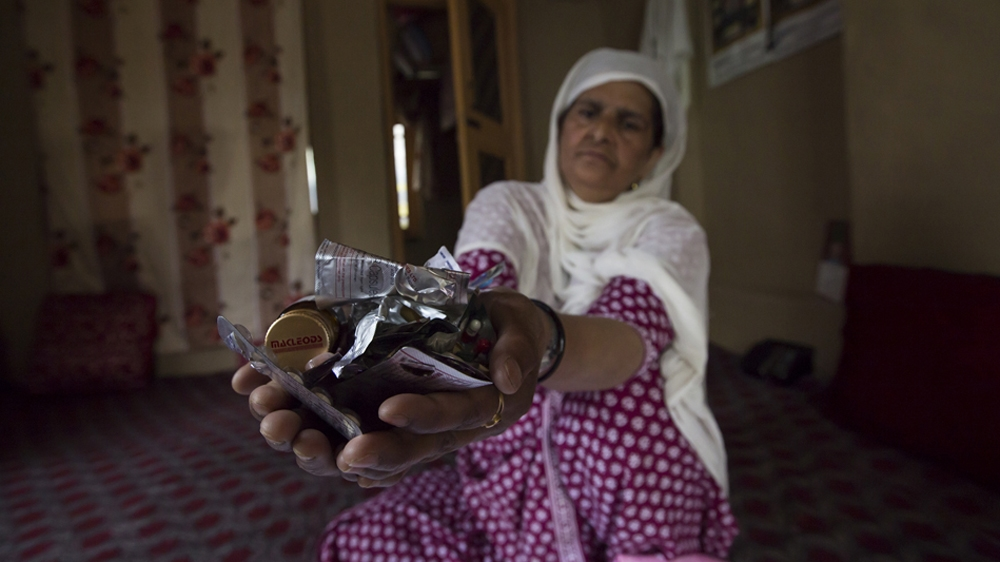
What does it mean for a woman living in the Indian illegally Occupied Kashmir to live in fear every day, of losing her family, her dignity and her peace of mind? This is not a question; it is a lived experience for the women of IIoJK. The valleys that captivate the world with their natural beauty, also conceal a hidden mental health crisis that results from years of conflict and militarization. Women in Kashmir are traumatized, grieving and simply trying to survive in what many would describe as one of the most beautiful, yet dangerous places on Earth.
Indian Occupied Kashmiri women have been living under the weight of continuous conflict, militarization and social instability for decades. According to a 2025 Free Press Kashmir report, 45% of adults have been identified suffering from symptoms of psychological distress, such as depression, anxiety and post-traumatic stress disorder (PTSD). While the statistics are alarming, they do not fully portray the magnitude of the mental health crisis, and for women the situation has been made worse by their roles as caregivers, the additional burden of family responsibilities and women being subjected to gender-specific violence. Throughout the valley, many women are still mourning their loved ones who have died due to conflict and also silently suffer from chronic stress and trauma that few acknowledge.
In the aftermath of the Pahalgam attack, women in IIoJK have faced a disproportionate and often invisible mental health burden. Women, traditionally positioned as caregivers within families, were compelled to absorb the emotional shock of the tragedy while simultaneously supporting traumatized children, elderly relatives, and injured family members. This layered responsibility intensified stress, anxiety, and emotional exhaustion, particularly among women who witnessed the attack or lost loved ones.
The attack also reinforced a persistent climate of fear. Many women reported heightened anxiety related to mobility, public spaces, and the safety of their families, leading to social withdrawal and sleep disorders. Mothers, in particular, experienced acute distress over the psychological well-being of their children, often suppressing their own trauma to maintain a sense of normalcy at home. For women who rely on tourism and informal work for livelihoods, the sudden collapse of economic activity after the attack deepened feelings of uncertainty, helplessness, and depression.
Frequent internet shutdowns and curfews disrupt communication and isolate communities, issue. The result is a cycle of unaddressed trauma, affecting not just individuals but the social fabric of Kashmir as a whole. Both overt and covert violence occur. In March 2025, Shamim Shawl spoke before the United Nations Human Rights Council and referenced widely covered incidents that illustrate this point – Kunan-Poshpora and Shopian, where women, children, and even grandmothers were subjected to severe bodily harm. The tragic case of eight-year-old Asifa is forever emblematic of these continuing wrongdoings. So many women have experienced custodial disappearances of their fathers, brothers, husbands, or sons, including the grave consequences of loss, grief, hopelessness, and helplessness. Reports produced by international organisations, such as the ACAPS analysis of June 2025, clearly articulate that mental health in IIoJK is not just a medical issue but is about humanitarian responses to humanitarian needs.
The most effective and successful responses require a collaborative approach at both the community and international levels. Community-based approaches include modifications and adaptions of therapy within the context of IIoJK, while the international level must incorporate a blending of both traditional recovery methods with more modern psychological care services so that mental health care can effectively reach the largest number of women. Implementing these strategies with continued improvement will address the numerous trauma-related issues that affect Kashmiri women and provide them with quality mental health care.
Access to mental health care remains severely limited for women due to social stigma, cultural barriers, and the scarcity of female mental health professionals. The Pahalgam attack has thus amplified existing gendered vulnerabilities, highlighting the urgent need for women-centric psychosocial interventions, safe counselling spaces, and community-based mental health support tailored to the realities of conflict-affected women in the region.
Healing the minds of women in IIoJK is not just about therapy; it is about acknowledgment, justice, and social reconstruction. Until the silent scars they carry are recognized and addressed, the valleys of IOK will remain beautiful only on the surface, concealing a deep humanitarian crisis beneath.
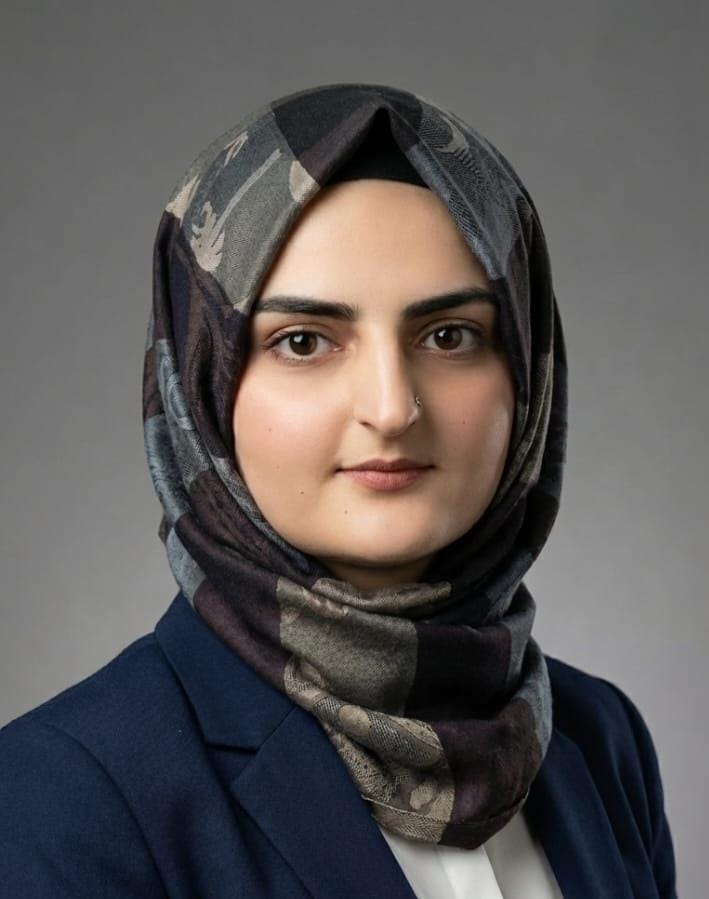
The writer holds a BS in Chemistry from King Abdullah Campus, University of Azad Jammu and Kashmir and is currently an intern at Kashmir Institute of International Relations. She can be reached at Email: anzakiani12@gmail.com