

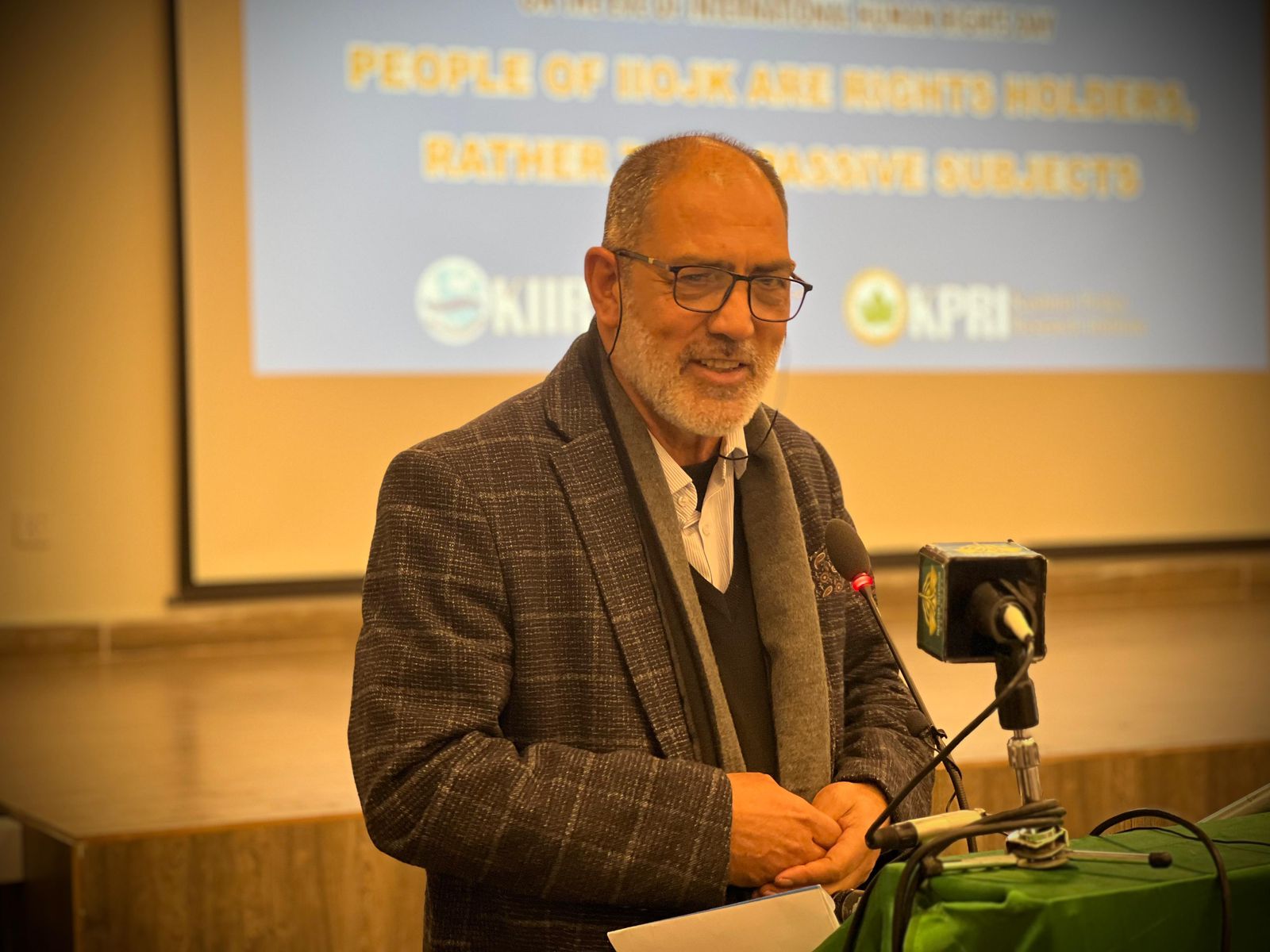
Altaf Hussain Wani
The Indian state’s reservation and recruitment policies in India occupied Indian occupied Jammu and Kashmir have long been a subject of contention, particularly in the context of the region’s socio-political dynamics. The data on population share versus recruitment share reveals a glaring disparity that underscores systemic discrimination against the Muslim-majority Kashmir Valley. With 62% of the population, Kashmir’s share in government jobs and professional degree admissions stands at a mere 33%, while Hindu majority Jammu, with 38% of the population, commands 67% of these opportunities. This 29% gap is not a coincidence but a deliberate mechanism of disempowerment, designed to perpetuate joblessness, educational backwardness, and professional stagnation among the Kashmiri Muslim population.
The Numbers Speak Volumes
The reservation quotas allocated to various categories—SC, OBC, ST, ALC/IB, RBA, and EWS—are disproportionately skewed in favor of Hindu majority Jammu, further exacerbating the regional imbalance. For instance, while Scheduled Tribes (ST1/ST2) constitute 20% of the population, their recruitment share is only 15%, with Jammu and a mere 5% allocated to Kashmir. Similarly, reservations of other back word classes (OBCs) are 8% with only 1.5% for Kashmir valley, Reserved Categories (RBA) have a 10% quota, but only 5.5% of this is directed toward Kashmir. These figures highlight how the reservation system, ostensibly designed to uplift marginalized communities, is instead being weaponized to suppress Kashmiris.
The Economic Weaker Section (EWS) quota, introduced in 2019, further compounds the issue. While it claims to provide opportunities to economically disadvantaged groups, its implementation in Indian occupied Jammu and Kashmir disproportionately benefits Jammu, with a 9.5% recruitment share compared to Kashmir’s 0.5%. This disparity is not just a statistical anomaly but a reflection of systemic bias embedded in the recruitment process.
A Deliberate Strategy of Disempowerment
The imbalance in recruitment and admissions is not an oversight but a calculated strategy to disempower the Kashmiri Muslim population. By limiting their access to government jobs and professional education, the Indian state ensures that Kashmiris remain economically and socially marginalized. This policy aligns with broader efforts to suppress dissent and resistance in the region.
Kashmir valley has been at the forefront of resistance against Indian occupation. By creating joblessness and educational backwardness, the state aims to weaken the socio-economic fabric of Kashmiri society, rendering its youth vulnerable to exploitation and manipulation. This strategy is further compounded by the alleged introduction of narcotics into the region, targeting the younger generation. India’s “narco-terrorism” is a sinister tactic to destabilize Kashmir, ensuring that its youth remain trapped in cycles of addiction and despair rather than pursuing education, employment, and political activism.
The Impact on Kashmir’s Youth
The consequences of these policies are devastating for Kashmir’s younger generation. With limited access to government jobs and professional education, many are forced to seek employment in the private sector, which is underdeveloped in the region. Others migrate to other parts of India or abroad in search of opportunities, leading to a brain drain that further weakens Kashmir’s socio-economic structure.
The lack of opportunities also fuels frustration and disillusionment among Kashmiri youth. This, in turn, perpetuates the cycle of conflict and resistance, which the Indian state uses to justify its oppressive policies. It is a vicious cycle designed to keep Kashmiris marginalized and disempowered.
Reservations as a Tool of Oppression
Reservations, which were originally intended to redress historical injustices and promote social equity, have been twisted into a tool of oppression in Indian occupied Jammu and Kashmir. Instead of uplifting marginalized communities, they are being used to reinforce existing power structures and perpetuate regional disparities.
The Indian state’s approach to reservations in Kashmir reflects its broader strategy of maintaining control over the region through economic and social disempowerment. By ensuring that Jammu benefits disproportionately from recruitment and admissions, the state creates a divide between the two regions, fostering resentment and mistrust among Kashmiris.
The Way Forward
Addressing the systemic discrimination in Indian occupied Jammu and Kashmir requires a fundamental rethinking of reservation and recruitment policies. The Indian state must ensure that these policies are implemented equitably, with due consideration to the region’s demographic and socio-political realities.
First, the recruitment process must be transparent and merit-based, with safeguards to prevent regional and communal bias. Second, the reservation quotas should be recalibrated to reflect the actual population share of Kashmir and Jammu. Third, the state must invest in the development of Kashmir’s private sector and educational institutions, creating opportunities for its youth within the region.
Finally, the international community must hold India accountable for its policies in Kashmir. The systemic discrimination and disempowerment of Kashmiris cannot be ignored or justified under the guise of national security or development.
Conclusion
The reservation and recruitment policies in Indian occupied Jammu and Kashmir are not just a reflection of systemic bias but a deliberate tool of disempowerment. By limiting the opportunities available to Kashmiri Muslims, the Indian state perpetuates economic and social backwardness, ensuring that the region remains marginalized and vulnerable.
The youth of Kashmir, who are at the forefront of resistance against occupation, are the primary targets of these policies. By creating joblessness and educational stagnation, the state aims to weaken their resolve and suppress their aspirations. However, the resilience of the Kashmiri people cannot be underestimated.
It is time for the Indian state to recognize the injustice of its policies and take meaningful steps to address the systemic discrimination in Jammu and Kashmir. Only then can the region move toward a future of peace, prosperity, and self-determination.
Writer is chairman Kashmir Institute of International Relations and can be reached at;
chairman@kiir.org.pk saleeemwani@hotmail.com and X @sultan1913