
PANAH Urges Government to Tax Tobacco, Sweet Drinks and other ultra-processed products Instead of Cutting Health and Education Budgets

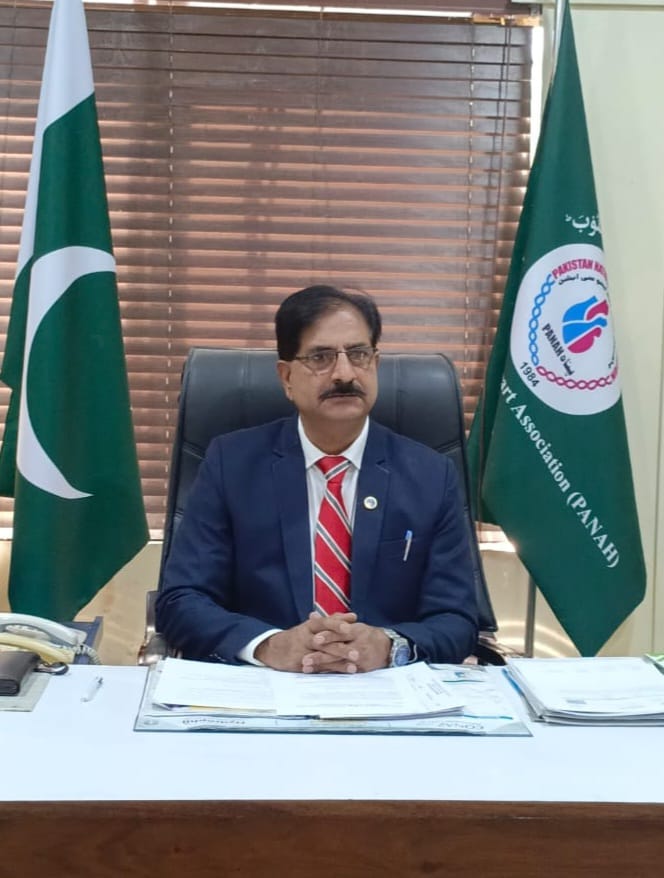
Pakistan Must Act Now: Tax Harmful Products Instead of Cutting Development Spending. Sana Ullah Ghumman.
Islamabad: The Pakistan National Heart Association (PANAH), in collaboration with civil society organizations and public health experts, has strongly urged the Government of Pakistan to increase taxes on tobacco products, sugary drinks and other ultra-processed products instead of placing additional burden on the public through drastic cuts in development spending, particularly in the health and education sectors. In light of the ongoing global economic pressures and rising fuel costs linked to geopolitical tensions in the Middle East, the government has announced significant reductions in development budgets and increased fuel prices. These measures, while aimed at managing fiscal constraints, risk severely undermining Pakistan’s long-term economic growth and human development.
Pakistan is already facing a public health emergency driven by non-communicable diseases (NCDs), including cardiovascular diseases, diabetes, cancer, and chronic respiratory illnesses. NCDs account for nearly 58% of all deaths in Pakistan, making them the leading cause of mortality in the country. Diabetes, in particular, has reached alarming levels, with over 33 million adults living with the disease. Each year, hundreds of thousands of deaths are linked to diabetes and its complications, placing immense pressure on families and the healthcare system.
The economic burden of NCDs is equally devastating. These diseases cost Pakistan billions of rupees annually in healthcare expenditures and productivity losses. Pakistan is spending approximately USD 2.6 billion annually on the treatment and management of diabetes only — an amount that is double the IMF installation we receive. A significant portion of the workforce suffers from reduced productivity, absenteeism, and premature mortality due to preventable illnesses, directly impacting national economic output. A major contributor to this crisis is the widespread consumption of tobacco products and sugar-sweetened beverages. These harmful, non-essential products are directly linked to heart disease, obesity, diabetes, and cancer, yet remain under-taxed in Pakistan.
General Secretary of PANAH, Sana Ullah Ghumman, stated that at this time when the Government is cutting essential development budgets, it is both unjust and economically short-sighted to ignore the massive revenue potential of taxes non-essential items. Tobacco, sweet drinks and other ultra-processed products are not necessities—they are drivers of disease and death. By increasing taxes on these harmful products, the government can generate significant revenue, reduce disease burden, and protect vulnerable populations from further economic hardship.”
He further emphasized that international evidence consistently shows that higher taxes on tobacco and ultra-processed products lead to reduced consumption, improved public health outcomes, and increased government revenues. PANAH and its partners stressed that instead of burdening the general population through fuel price hikes—which fuel inflation and disproportionately affect low-income households—the government should adopt progressive health taxation policies targeting harmful products. The revenue that industry brings to the government in the form of taxes is not even a tenth of the expenditure incurred on the diseases they cause. Use of ultra-processed products is creating many public health problems instead of improving the economy.
Pakistan cannot afford to compromise its future by cutting investments in human development while allowing preventable diseases to rise unchecked. Taxing tobacco and sugary drinks offers a practical, evidence-based solution to both fiscal challenges and the growing health crisis.
PANAH, along with civil society and health experts, demand from the government to take immediate action to safeguard public health, strengthen the economy, and ensure a healthier future for all citizens.