

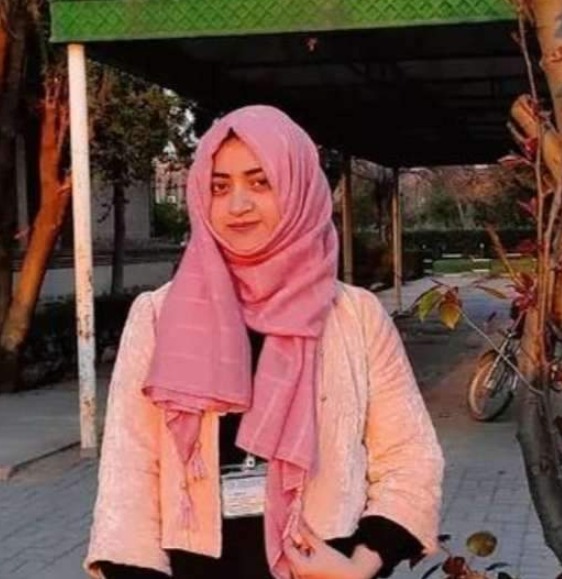
Saman Kiyani
The issue of unemployment among the young in the Indian Illegally Occupied Jammu and Kashmir (IIOJK) has become such a socio-economic issue that it is paramount in the region. This vastness and continuity of this issue not only reflects the frailty of economies, but also reveal structural and political constraints that remain insurmountable to sustainable development. The unemployment rate is 6.7 percent among people who are aged 15 and above in Jammu and Kashmir according to the Labour Force Survey 20242025. This is far greater than the national average of 3.5 percent in India implying that there is a vast disparity between the area and the rest of the nation. The imbalance is the disparity in the economic opportunity distribution and the inability of the regional economy to absorb the growing labor force.
The seriousness of the condition was officially realized when the Jammu and Kashmir Legislative Assembly in February 2026, the policymakers recognized unemployment as a serious impediment to economic development. Official statistics also indicate that there are about 3.49 lakh (349,000) unemployed youths who are now registered in District Employment and Counselling Centres. Moreover, a baseline survey under the Mission YUVA program revealed that almost 473,000 people aged 18-50 are willing to work but do not have access to proper job opportunities. These statistics indicate a significantly bigger silent unemployment crisis since most people are not registered in formal systems.
The longitudinal analysis of the unemployment rates based on the Periodic Labour Force Survey (PLFS) data shows that there was a variable but continually high trend. Even before the constitutional changes of 2019, the unemployment rate in IIOJKwas reported at 6.7 percent in 2019-20. It declined gradually to 5.9 percent in 2020–21, 5.2 percent in 2021–22, and 4.4 percent in 2022–23. This was however a transient success as the rate again rose to 6.1 percent in 2023-24 and even more to 6.7 percent in 2024-25. The national unemployment rate in India on the other hand did not change much, but was much lower with an average of about 3.5 percent in the same period. In IIOJK, the problem of urban unemployment is especially acute, as it is estimated that in certain regions, the unemployment rate is more than 10 percent, and educated women are disproportionately disadvantaged in access to jobs.
Since 2019, unemployment in IIOJK is caused not only by the economic factors but by the political instability and security issues as well. The daily life, business and investor confidence have been disturbed by militarization, lockdowns and internet shutdowns. The major industries such as tourism, handicrafts, agriculture and small businesses are hard hit and minimal industrialization coupled with weak private sector makes the youth in government jobs the first choice.
The government has also initiated programs to facilitate entrepreneurship and skill development in response to increased unemployment like Mission YUVA, PMEGP, and JKREGP. Nevertheless, they have not had much influence, considering that most of the self-employment in the area is not opportunity-based but rather need-based where people resort to small businesses simply because they do not have a secure job opportunity.
Social implications of unemployment in IIOJK are severe because a significant number of educated young people cannot secure stable jobs and this causes frustration, disappointment and marginalization. This has led to migration to other places and nations, loss of skilled human capital and undermining of long term development. Meanwhile, the demand in the limited government jobs is very high, and people spend lots of money on applications but still cannot occupy the positions, which leads to a disparity between expectations and opportunities and the dissatisfaction of people.
Unemployment in Indian Illegally Occupied Kashmir (IIOJK) is more than just a lack of jobs; it is long-term instability, uncertainty, and missed opportunities leaving a generation in economic and social limbo. Youths struggle to attain sustainable livelihoods or plan for the future due to political unrest, security challenges, and economic stagnation. This affects families and society through dwindled incomes, declining consumption, and rising social frustrations. Government policies and employment programs exist, but short-term interventions are insufficient to address the structural issues at the core of the crisis. Political stability, a robust private sector, and programs promoting skills and entrepreneurship are essential for sustainable development in IIOJK, without which the young generation will remain marginalized and the region will lag behind the country.
There is a complicated unemployment crisis in Indian Illegally Occupied Jammu & Kashmir (IIOJK), and the economic and social consequences are great. The long-standing regional inequalities and structural instability deprive youths of opportunities and without any meaningful reforms, the youths will continue to be trapped and the region will continue to be left behind in national development.
The writer is a student of International Relations at International Islamic University, Islamabad and currently she is serving as an intern at Kashmir Institute of International Relations, Islamabad.