

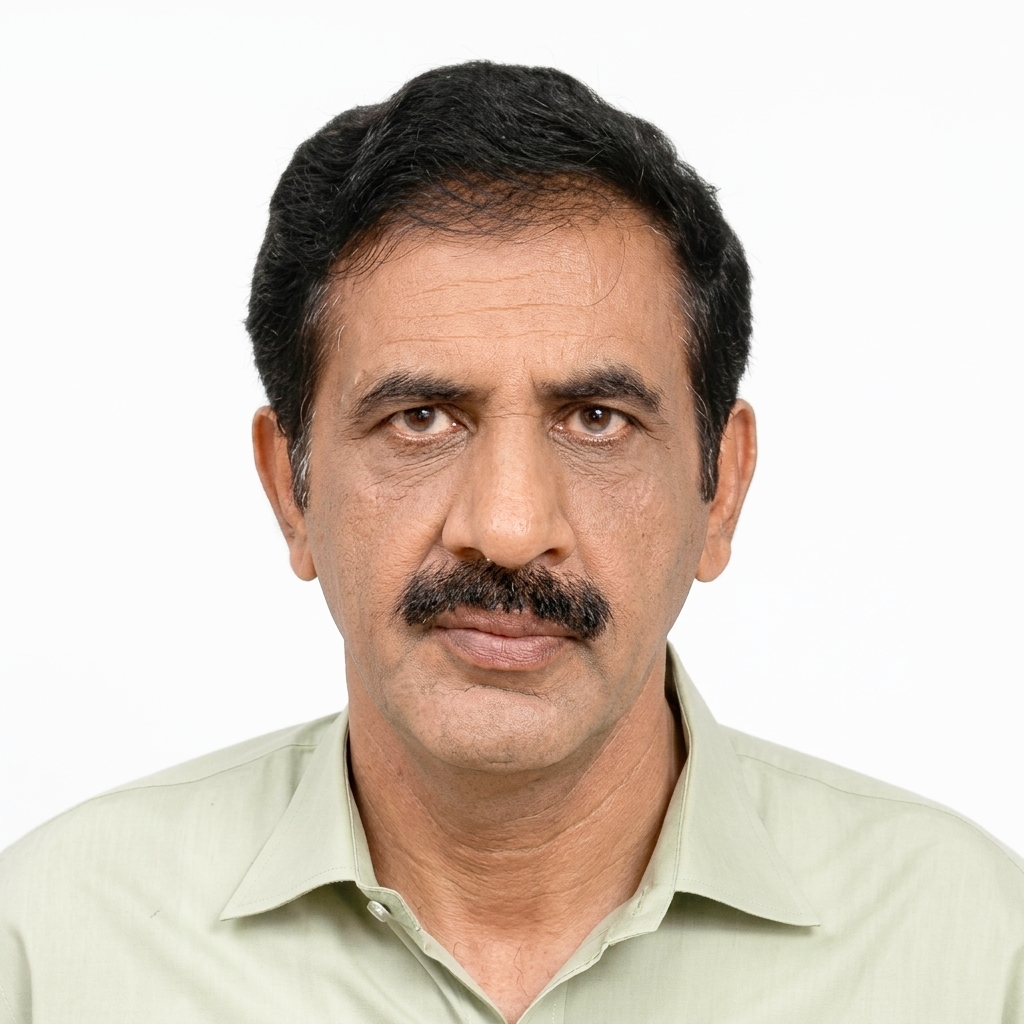
Nisar Hussain
Journalism is often described as the fourth pillar of the state. Its strength does not come from any constitutional authority; it is derived from public trust, the pursuit of truth and the ability to hold power accountable. A responsible journalist does not become a party to a story. He seeks facts, gathers evidence, presents the relevant viewpoints, publishes the story and then moves on. If a report is strong, credible and properly documented, it does not require the journalist’s continued advocacy to make its way into the public domain. A good story travels from the national media to the international media on its own because the real strength and speed of a news report lie in its truth.
The fundamental principles of journalism are impartiality, integrity and the protection of the public’s right to information. When a journalist becomes the mouthpiece of a political party, group, institution or powerful individual, he moves away from journalism’s essential role. Journalism is not about campaigning for or against anyone; it is about asking questions, seeking the truth and presenting it to the public. However, becoming the voice of the voiceless and questioning powerful interests can sometimes come at the cost of pressure and danger.
In the present era, investigative journalism is more important than ever—and more difficult as well. Social media has accelerated the speed at which news travels, but unverified information, propaganda and manufactured narratives have multiplied a journalist’s responsibilities. An investigative reporter must reach the truth behind a story, obtain documents, verify sources, cross-check different aspects and reach a conclusion only after seeking the relevant party’s position. These are the principles of professional ethics and the very foundation of journalism.
The three-decade journalistic career of senior journalist Syed Tabassum Abbas, his editorship of several newspapers and his investigative reporting represent this journalistic tradition. For an investigative reporter, curiosity, observation, the courage to ask questions, access to documents, the ability to connect facts and the determination to uphold a professional position even under pressure are of fundamental importance. These qualities have remained prominent in his journalistic work. Whether it was his investigative work on India, such as “The Journey of Friendship” and “Karbala Serial,” or his documented stories on sensitive issues, the central principle remained the same: evidence matters more than claims. His story concerning an Rs80 billion tax refund is also cited as an important example from his journalistic career. Following the report, he faced pressure and difficulties, but subsequent developments strengthened his position, and the relevant tax official was eventually sent to prison. His investigative reports against mafias also exposed him to danger. On one occasion, he survived an assassination attempt, although his vehicle was severely damaged. Investigative journalism is not merely about putting pen to paper. At times, a journalist has to pay the price of a story in the form of pressure, threats and danger. But if the report is accurate, the documents are solid and the investigation is thorough, time becomes the story’s greatest witness.
A journalist is not merely a purveyor of news; he is also an opinion-maker. He senses the trends emerging in society, understands them and presents them to the public. A survey he conducted on party positions before the 2008 elections also demonstrated journalism’s ability to influence public opinion. At the time, there was a widespread perception that the party in power would win, but the election results remained close to the survey’s findings. He subsequently faced criticism and pressure over the survey. The major lesson from this episode is that every journalistic effort capable of influencing public opinion must be grounded in research, transparency and responsibility.
In journalism, it is not always necessary to say everything directly. At times, “between the lines” can become more effective journalism. Documents, the sequence of events and the right questions can make many things clear on their own. This does not mean creating ambiguity; rather, it means presenting facts in a manner that enables the reader to reach a conclusion independently while avoiding unnecessary allegations.
The greatest test of a good story is that it does not bounce back. A journalist should not have to appear the next day to explain, retract or apologise for his report. Breaking news is not the ultimate achievement in journalism; breaking accurate news is. The importance of the fourth pillar of the state can be preserved only when a journalist maintains a clear distinction between news and opinion, fact and speculation, and investigation and propaganda. Journalistic ethics require that personal interests not be allowed to enter a news report, that no one be subjected to baseless allegations, that the opposing viewpoint not be ignored and that there be no hesitation in correcting an error when it comes to light. Freedom of the press must be accompanied by responsibility. When freedom is separated from ethical principles, it becomes mere noise rather than journalism.
In the current circumstances, journalism faces challenges including pressure, economic difficulties, political polarisation, digital competition and an overwhelming flood of information. In such an environment, a journalist’s greatest strength is not his institution but his credibility. A journalist who prioritises the protection of sources, the verification of facts and professional principles may be isolated for a time, but in the long run, his credibility becomes his greatest asset.
The purpose of journalism is not to defeat anyone; it is to preserve the truth. A journalist’s job is to present a story with evidence and then move on. If the report is true, time will bear witness to it; if it is false, time will expose it. In today’s fast-paced information age, journalism’s greatest test is to ensure that a journalist does not lose the truth in the race for news.
The writer is a veteran Pakistani journalist with nearly four decades of experience in print and electronic media, having served in senior editorial positions since 1986.