

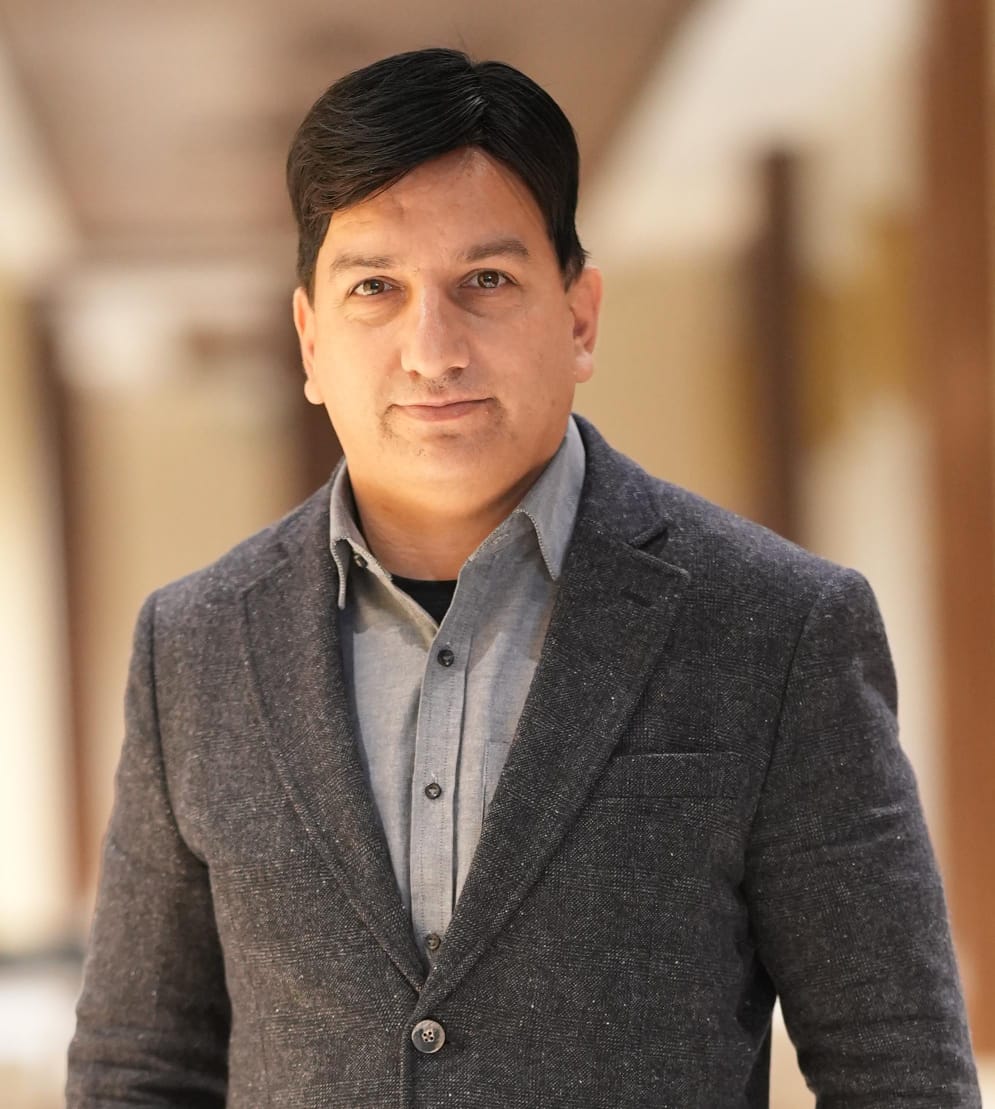
Engr. Asghar Hayat
Each year, thousands of engineers graduate from Pakistan’s universities with hard-earned degrees, only to confront a harsh reality, limited job opportunities, lack of professional exposure, and an absence of structured pathways into the workforce. Many remain jobless or directionless for months, even years, as industry demands experience that fresh graduates do not yet possess. This long-standing disconnect between academic qualification and professional readiness has historically weakened Pakistan’s engineering potential. The Pakistan Engineering Council (PEC) has now moved decisively to address this gap through its Graduate Engineer Trainee (GET) Placement Program, a nationally structured, resource-backed initiative that has repositioned PEC from a regulator to a central driver of engineering workforce development.
The response from young engineers has been unprecedented. Nearly 3,000 graduates applied for the first batch of the GET Placement Program, reflecting the depth of demand for structured professional entry. Following a transparent screening and digital balloting process, 600 engineers were selected from 1,587 shortlisted candidates for placement across 40 public and private sector organizations nationwide. Each trainee is enrolled in a six-month paid professional program with a monthly stipend of PKR 50,000, fully funded by PEC. The structure includes five months of hands-on field deployment and one month of focused professional skill development, with successful participants receiving jointly issued digitally verifiable experience certificates from PEC and host organizations. Building on this momentum, PEC is preparing to launch the second batch of 1,400 engineers in March, comprising graduates of 2025.
A defining strength of the GET Program lies in the scale of institutional alignment it has achieved across Pakistan. PEC has signed landmark Memoranda of Understanding with major public and private sector organizations, positioning itself as the central coordinator of engineering human resource development. In Islamabad, PEC concluded MoUs with leading national institutions including Frontier Works Organization (FWO), Pakistan Telecommunication Authority (PTA), PTCL, National Telecommunication Corporation (NTC), Pakistan Ordnance Factories (POF), Heavy Industries Taxila (HIT), Islamabad Electric Supply Company (IESCO), PAKSAT International, and the Pakistan Housing Authority Foundation, significantly expanding placement opportunities at the federal level.
In Lahore, PEC partnered with key Punjab-based organizations and authorities, integrating the country’s largest provincial industrial and infrastructure ecosystem into the GET framework. Major entities included development authorities, energy and utility organizations, and large-scale public sector bodies operating across Punjab. In Multan, Chairman PEC Engr. Waseem Nazir presided over MoU signing ceremonies with South Punjab’s leading organizations, including Multan Development Authority (MDA), MEPCO, WASA Multan, DG Cement, and the Public Health Engineering Department, ensuring that engineers from less-developed regions gained access to structured professional placements.
At the provincial level, PEC’s engagement gained strong momentum as governments across Pakistan formally aligned with the GET framework. The Government of Balochistan was the first to sign an MoU with PEC, with the Chief Minister Sarfraz Bhughti himself gracing the ceremony, marking a clear political endorsement of engineering human capital development. Khyber Pakhtunkhwa followed through a landmark agreement with the Planning and Development Department, signed by the Additional Chief Secretary (Development). Azad Jammu and Kashmir joined next, as Chief Secretary Khushal Khan personally visited PEC Headquarters along with the Additional Chief Secretary (Development) to formalize collaboration for placements across departments including C&W, PHE, Electricity, IT, and Power Development.
The national momentum reached a defining peak in Karachi, where PEC signed strategic MoUs with Pakistan’s largest industrial and infrastructure players at a high-profile ceremony held at the Pearl Continental Hotel. Public sector partners included Pakistan Airports Authority, Karachi Port Trust, Karachi Shipyard & Engineering Works, Naval Research and Development Institute, DHA Pakistan, and Pakistan Machine Tool Factory. Leading private sector organizations such as Dewan Cement, Yunus Textile Mills, Pakistan Cables, Cnergyico, Inbox Business Technologies, and Harbin Electric also committed to opening their plants and projects to GET trainees, signaling strong industry confidence in the program.
Central to this transformation has been the leadership of Chairman PEC Engr. Waseem Nazir, under whose direction a dedicated Special Initiative Unit was established within PEC to exclusively design, manage, and execute the GET Program. Separate digital portals were developed for graduate engineers and employer partners, enabling seamless registration, placement coordination, and monitoring. A fully digital balloting system was introduced to ensure transparency, merit, and equal opportunity across the selection process.
As the GET Placement Program continues to evolve, PEC acknowledges that refinements will follow, but the foundation has been firmly laid. The initiative has not only redefined how engineers transition from classrooms to careers, it has fundamentally repositioned the Pakistan Engineering Council as a proactive national institution, leading workforce development, aligning institutions, and placing engineering talent at the heart of Pakistan’s development journey.