

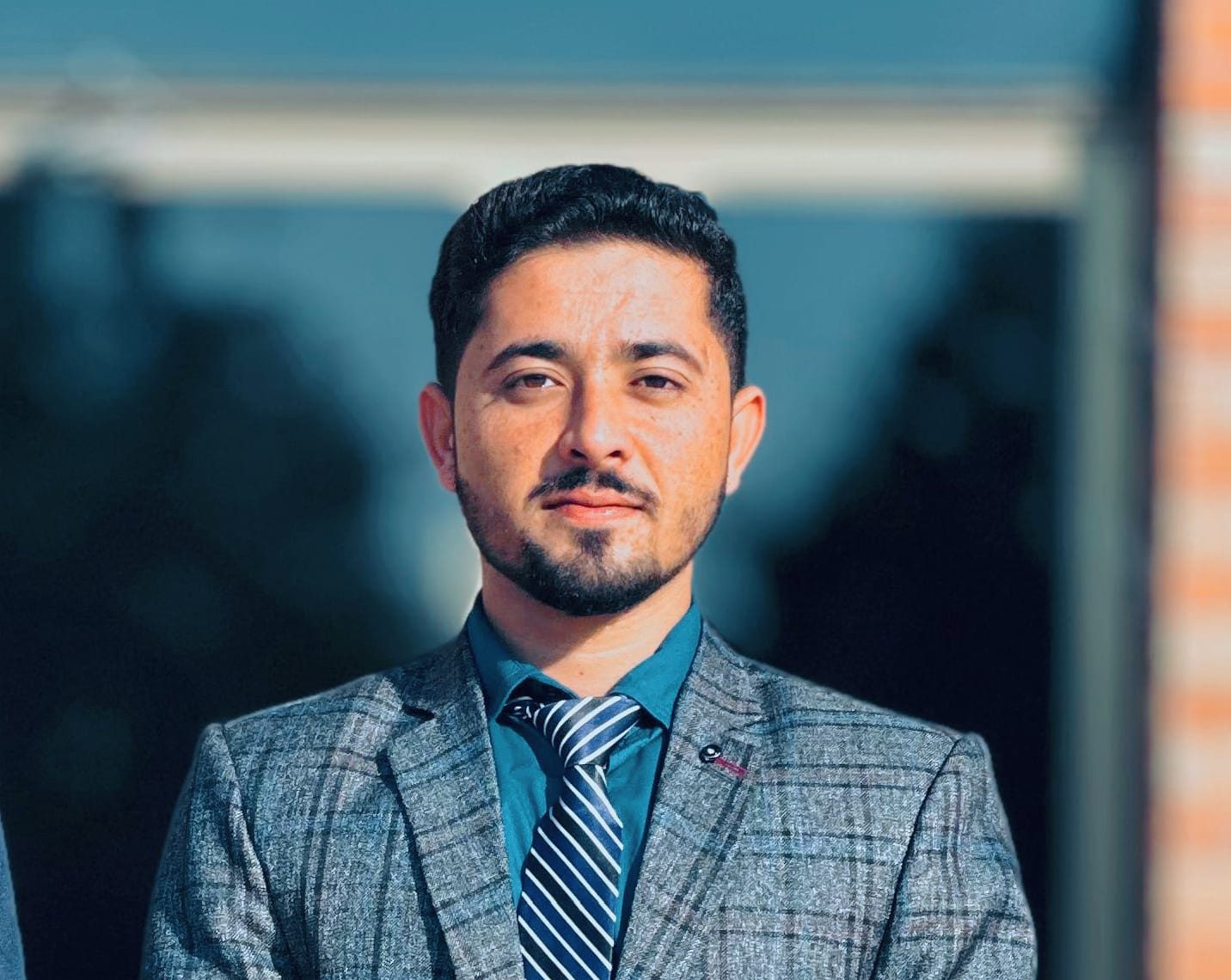
Jahangeer Khan
Throughout history, occupying forces have used different tactics to terrify and silence those they have occupied. All those who showed resistance against the occupation have been dealt with in the most inhumane ways. This has been the practice for thousands of years. Even today, the same pattern is visible in all the occupied regions.
History shows a distinct pattern in which the occupier has always tried to crush the opponent’s narratives from the root. Therefore, they targeted the individuals who were most important for the occupied community and their freedom movement. It includes local leaders, activists, scholars, teachers and religious personalities. They have been the biggest victims in the occupied regions.
From the Qin Dynasty to Colonial America, from British colonization of India to French rule in Algeria, and from Israel’s occupation of Palestine to Indian occupation of Kashmir, the same pattern is visible in almost all the occupied regions throughout history. This pattern includes censorship and narrative control, arrest and intimidation of activists, economic control and land confiscation, demographic engineering, suppression of culture and identity, and targeting of leadership to weaken resistance.
In Indian Illegally Occupied Jammu and Kashmir, Kashmiri leaders and activists have been the main victims of Indian oppression since 1947. Syed Ali Gillani, Abdul Ghani Lone, Yasin Malik, Asiya Andrabi, Mirwaiz Umar Farooq, Masarat Alam Bhat and Qasim Faktoo are few prominent examples of the endless list of Kashmiri leaders who have been facing the Indian brutalities.
The case of Asiya Andrabi is a fresh example of the Indian atrocities on Kashmiri leaders and activists. Recently, a Delhi court sentenced life imprisonment to Asiya Andrabi and thirty years imprisonment to each of her two associates, Fahmeeda Sufi and Naheeda Nasreen. They have been convicted under the draconian laws of Unlawful Activities Prevention Act (UAPA) and Public Safety Act (PSA), which can be molded in any way to target the people who stand for their rights.
Ms. Asiya is not just an ordinary person. She is a scholar, a teacher, a leader and a human rights activist who has been struggling for the right of self-determination of Kashmiri people for decades. She is the founder and chairperson of Dukhtaran e Millat (Daughters of the Nation), an all-women, socio-politico organization working for the freedom of Indian Illegally Occupied Jammu and Kashmir as well as helping the orphans and families of those Kashmiris who have been martyred by the Indian security forces. Her sacrifices and contributions have a huge list that cannot be covered in such a short article.
Early in her life, she decided to educate the women and children of Kashmir. She initiated the first women Halaqah in 1985 in which women were educated about religious matters. In addition to educating women, she was a prominent activist of women rights, fearlessly advocating the basic human rights of Kashmiri women. She firmly resisted the normative and exploitative commodification of women, in which Kashmiri women were being used in the name of modernism and liberty. In 1985, the Indian Ministry of Culture compelled some young Indian girls to fly to New Delhi and perform in a cultural program as dancers. Asiya campaigned vehemently against the colonial policy of the exploitation of Kashmiri women and their sexual use.
In the same year, she founded “Dhukhtaran e Millat” (Daughters of the Nation), which rapidly spread across the whole of Kashmir. Through her organization, she not only made women aware of their rights but intensively advocated for the right of self-determination of Kashmiris.
In 1990, she married Qasim Faktoo, a freedom fighter and a scholar. Their first son was born in 1992, but the couple was arrested in 1993 when their son was only seven months old. Asiya was later released while her husband remained in jail till 1999. Qasim was released for a short period of time during which their second son was born, though he was arrested once again in the same year. Since then, he has remained imprisoned, with nearly 33 years of his life already spent behind bars.
During the 2005–2006 sexual abuse scandals, Asiya assumed a prominent and influential role in bringing to light the individuals and institutions implicated in these grave violations, thereby contributing to broader efforts toward accountability and public awareness. Thus, she was arrested under Public Safety Act but later released due to intense public pressure. She was repeatedly incarcerated, having been arrested on a monthly basis between 2007 and 2009. Asiya mobilized women against the rape of two Kashmiri women by the occupational forces in 2010, when she was once again arrested and lived two consecutive years in detention.
Amid the widespread crackdown on Kashmiri leaders and activists in 2017, she was also detained and transferred to Tihar Jail, where she remained incarcerated until 2026 without any conviction. Her treatment in prison has been of the worst level. Although she is a patient of acute asthma and multiple respiratory ailments, she has been consistently denied medical treatment.
She is also suffering from diabetes yet, instead of providing medical care, she is given potatoes and starchy diet to worsen her condition. Neither her family nor her husband is allowed to meet her. Only one call per month is allowed with family though she is not allowed to sit on a chair during the call despite being an elderly women diagnosed with back pain.
Asiya Andrabi is a symbol of resilience and resolve. Her unwavering determination is what makes her a role model for all Kashmiri women who are struggling for their freedom and basic rights. She consistently refused to surrender to the oppressive actions of the Indian state. The recent verdict by Delhi court highlights how Kashmiri leaders and activists are charged with draconian laws whenever they speak for the freedom of their people. This is a pattern that has been practiced by the Indian government since the day they have occupied the region. The Indian regime wants to silence the voices within the occupied territory by any means, no matter how draconian the measures seem.
Human rights organizations and activists around the world must take a firm stance against the Indian state oppression and pressurize the government to release Asiya Andrabi and her associates. The world must understand that peace in South Asia cannot be achieved without resolving the Kashmir issue. However, as long as Kashmiris are denied their basic human rights and their right to self-determination remains unfulfilled, a durable and lasting solution is impossible.
Author is a researcher affiliated with Youth Forum for Kashmir (YFK).