

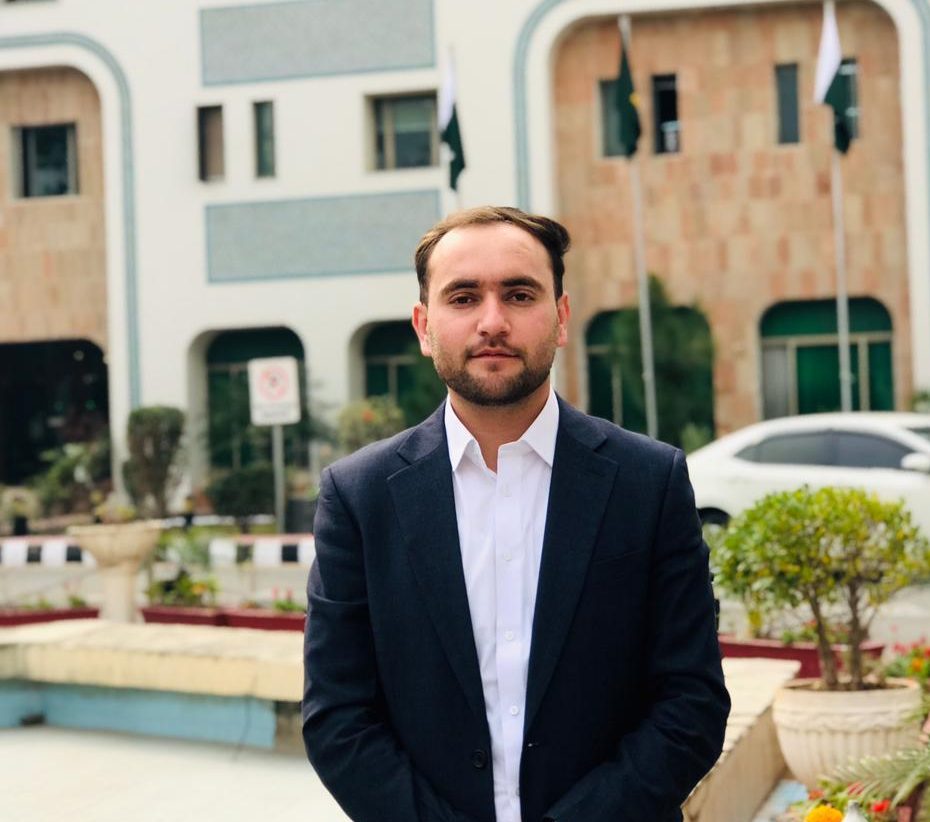
By Amir Mushtaq
The cases of missing minor girls in Indian Illegally Occupied Jammu and Kashmir (IIOJK) have been a cause of serious concern and state failure. The alarming statistics, the seeming lack of responsibility, and the inability of the state to secure its vulnerable population, especially young girls, have cast serious doubts on the role of the state in the protection of human rights in IIOJK. What is more alarming is that the situation is only getting worse, and there is no transparency and accountability in the state, which creates more and more fear among the people living in the region.
These concerns are amplified by the recent confession of the Indian government in the Lok Sabha. On March 25, 2026, the Minister of State for Home Affairs told the Lok Sabha that during the past five years, hundreds of cases of missing girls had been reported in Jammu and Kashmir. Based on the data gathered by the National Crime Records Bureau (NCRB), 509 cases of minor girls under the age of 18 have been reported as missing in Jammu and Kashmir alone in 2023, out of which 209 were recovered and 300 are yet to be located. The reports also indicate a disturbing and steady trend of 502 cases in 2022, 443 in 2021, 350 in 2020, and 355 in 2019, showing how young girls are vulnerable in the occupied territory.
The numbers are disturbing, but the larger picture of these cases is more disturbing. The rising cases of missing girls are symptomatic of the careless attitude of the Indian government, especially in the state of Jammu and Kashmir. The government has not been able to give any significant report on the locality of such missing children, as reported by several news agencies. Furthermore, no serious inquiry is made into the conditions surrounding these disappearances. In light of the untraced girls, the question arises: how many of these missing children have become victims of human trafficking, forced labour, or other forms of exploitation?
According to a report by VOA News, about 10,000 women and girls have disappeared between 2019 and 2021 in IIOJK, which shows how dire the issue is and how ineffective the government is in dealing with it. These alarming statistics have raised serious concern among human rights groups, activists, and citizens. The Indian government has taken a careless attitude towards these grave issues, despite the fact that it has not done enough yet in its efforts to curb the problem and take the needed responsibility.
Failure to respond to the crisis effectively is yet another indication of the failure of the Indian government to meet its mandates as stipulated by international law. Having signed a number of human rights conventions, India is obligated to ensure that children are not exploited or harmed. The ongoing abduction of minor girls in IIOJK is a sheer breach of these promises, and the absence of any effective state action is an abomination of the rights of these children.
In light of these facts, there is a great need to ensure that international organizations, like the United Nations, step into the situation. The problem of missing minors can no longer be covered up. The United Nations ought to compel the Indian government to undertake swift actions to locate the missing girls, bring to book those who have perpetrated their disappearance, and make sure that such human rights abuses do not persist in IIOJK. The fact that the state does not protect the region, and that the system is so negligent and unaccountable, is an indication of a bigger dismissal of human rights that cannot be overlooked.
The fact that the Indian government has not dealt with this humanitarian crisis in IIOJK underscores the necessity of international intervention. The disappearance of minor girls continues to happen in this area, and this reveals how the state has failed to provide security to its citizens, especially the most vulnerable group. The Indian government needs to assume accountability for its actions, and the international community needs to hold it responsible for its failure to safeguard human rights. Only then can we hope to see an end to the cases of missing girls and ensure that such a tragedy is never repeated again.
The author is a student of International Relations at the International Islamic University, Islamabad. Currently, he is serving as an intern at the Kashmir Institute of International Relations Islamabad.