

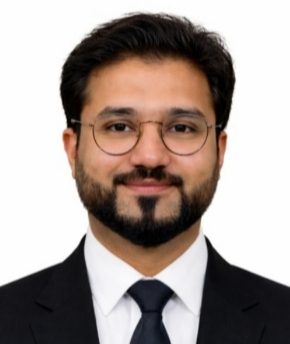
Sherbaz Ali Khan
The recent collapse of high-stakes negotiations between the United States and Iran in Islamabad is a stark reminder of the enduring complexities that define contemporary international relations. Despite prolonged engagement and diplomatic effort, the talks failed to produce a breakthrough, exposing deep-rooted mistrust and fundamentally conflicting strategic objectives.
At the heart of the impasse lies a classic security dilemma. For Washington, Iran’s nuclear ambitions remain an unacceptable risk to global security and regional stability. For Tehran, however, external pressure to limit its nuclear capabilities is perceived as an infringement on sovereignty and a continuation of coercive Western policies. This mutual suspicion continues to undermine even the most well-intentioned diplomatic initiatives.
The divergence in negotiation goals further complicated the dialogue. The United States sought tangible commitments toward nuclear rollback and broader regional stability, while Iran remained focused on sanctions relief and the preservation of its strategic autonomy. In such an environment, compromise becomes politically costly and strategically unattractive for both sides.
The timing of the dialogue also played a critical role. Conducted amid heightened regional tensions, the talks were inevitably shaped by a climate of confrontation rather than cooperation. In crisis situations, states tend to adopt rigid and maximalist positions, leaving little room for flexibility or trust-building.
The implications of this failure are far-reaching. At the regional level, the risk of escalation remains significant. Key Middle Eastern actors may become further entangled in the conflict, while critical chokepoints like the Strait of Hormuz continue to pose a threat to global energy security. Any disruption in this corridor could trigger economic shockwaves far beyond the region.
Globally, the consequences are equally concerning. Energy markets remain vulnerable, and prolonged instability may lead to rising oil prices, disrupted supply chains, and inflationary pressures, particularly for developing economies. In such a scenario, geopolitical tensions could easily translate into economic hardship.
In the absence of diplomatic progress, both Iran and the United States may increasingly rely on coercive strategies—ranging from military signaling to economic pressure and proxy engagements. This shift from diplomacy to power politics reflects a broader trend in international relations, where realism often supersedes cooperative frameworks.
Yet, despite the immediate setback, diplomacy is rarely a linear process. History suggests that periods of confrontation are often followed by renewed engagement. The possibility of future negotiations, though uncertain, cannot be entirely ruled out.
For Pakistan, the episode carries a nuanced significance. While the talks did not yield the desired outcome, Islamabad’s role as host and facilitator has enhanced its diplomatic standing. By providing a neutral platform for dialogue, Pakistan has demonstrated its capacity to act as a credible intermediary in complex international disputes.
Importantly, Pakistan managed to maintain a careful balance in its relations with both Tehran and Washington. This strategic neutrality is not only diplomatically prudent but also essential for sustaining its role as a mediator. However, the experience also highlights the limitations faced by middle powers, particularly when dealing with entrenched conflicts involving major global actors.
Nevertheless, Pakistan’s efforts have generated valuable diplomatic capital. The trust built during this process, coupled with its demonstrated commitment to peace, positions the country for future mediation roles. In an increasingly multipolar world, such contributions are likely to gain greater relevance.
Going forward, Pakistan can build on this experience by continuing backchannel diplomacy and encouraging broader, multilateral engagement. By involving other regional and global stakeholders, the chances of achieving meaningful progress may be enhanced.
In conclusion, the failure of the Iran–US dialogue is not merely a diplomatic setback but a reflection of deeper structural realities within the international system. For Pakistan, however, it represents an opportunity to solidify its role as a constructive diplomatic actor. While peace remains elusive, the pursuit of dialogue itself continues to hold enduring value in an increasingly fragmented world order.